Many chronic and acute diseases – such as cancer, cardiovascular and respiratory diseases, diabetes and obesity and also mental illnesses – are caused by or worsened by pollution in our present and past environments.
HEAL works with organisations like the World Health Organization (WHO) and the UN Environment Programme (UNEP), with European institutions and organisations, as well as national decision-makers and partners to prevent the environmental burden of disease through stronger policy action. This includes advocating for health to be a central priority in the Multiannual Financial Framework (MFF), the EU’s long-term budget.
Health considerations missing in European Commission work programme 2027, writes HEAL to MEPs
HEAL considers that a focus on reducing administrative cost and burden to businesses is a shortsighted and narrow perspective, disregarding the significant costs to people's health and the need for strengthened resilience of the natural environment in view of pollution, climate change and biodiversity loss.
Investments at member state level are key to protecting health and reducing inequalities
HEAL is partner in publishing a joint briefing to provide support to the European Commission and EU member states on how to effectively design and implement National and Regional Partnership Plans (NRPPs), part of the next EU budget.
A health reset for health protection from environment and climate threats
In a letter ahead of the publication of the European Commission work programme 2027, HEAL has sent a letter to President von der Leyen, to call on resetting this Commission for preventing disease and health cost in next year’s work programme, by withdrawing the Food and Feed Safety Omnibus proposal and refraining from proposing any further environmental and climate simplification proposals.
EU budget performance: Increased transparency and accountability for people’s health
HEAL has sent a letter to members of the EP BUDG and CONT committees highlighting that it is crucial that the next EU budget provides the necessary investments for preventing disease and ill-health, and ensures adequate transparency and oversight on the tracking of this spending.
Cities and regions need climate and environment investments for people’s health
HEAL calls on EP ENVI and CoR ENVE to place particular emphasis on increasing public investments for disease prevention, health resilience to climate change, and pollution prevention in the next EU budget, for people's health in cities and regions.
European Council budget discussion: HEAL letter on climate resilience and pollution prevention
Ahead of EU heads of states and governments discussing next Multiannual Financial Framework (MFF) 2028-34 on 15-16 October 2026, HEAL has sent a letter calling to place particular emphasis on increasing public investments for disease prevention, health resilience to climate change and pollution prevention in the next EU budget.
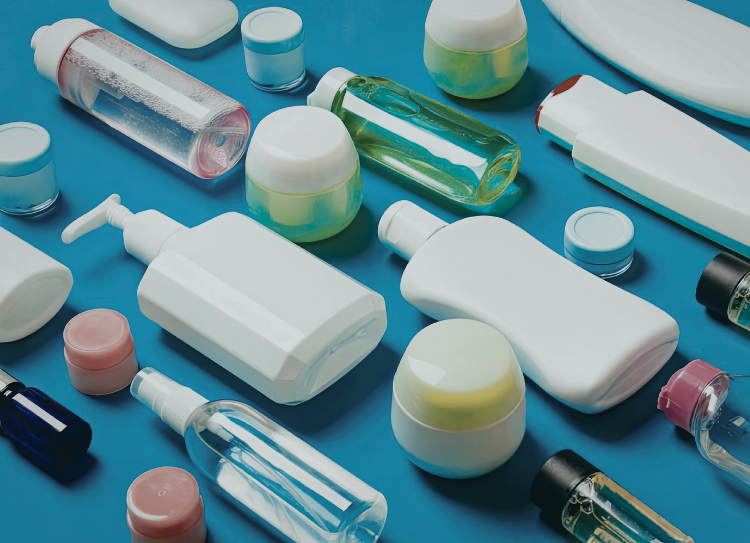
Press note: Compromise on EU cosmetic rules rejects some threats to health but weakens current safety rules
The trilogue negotiations on the Chemical Omnibus, which includes changes in the Cosmetic Products Regulation, concluded yesterday. The compromise reached between the co-legislators includes important agreements, notably rejecting exemptions for the use of carcinogens by inhalation or ingestion in cosmetic products. Yet the outcome weakens the current safety rules for cosmetic products when it comes to health.
Press note: EU Parliament vote curbs some threats to cosmetics law, but gaps in health protection persist
In today's Chemicals Omnibus vote on the Cosmetic Products Regulation, HEAL welcomes the Parliament's alignment with the Council to reject exemptions for carcinogenic substances by inhalation or ingestion (exposure routes). Yet, from a health perspective, the upcoming trilogue negotiations between Council, Parliament and the EU Commission need to go further to prevent problematic proposals that would weaken the current protections against cancer-causing substances in cosmetics.
Press note: EU Parliament committees vote limits some harmful changes to cosmetics law, but health concerns remain
The European Parliament's joint ENVI and IMCO committees voted today on changes to the Cosmetic Products Regulation as part of the Chemicals Omnibus package. The Health and Environment Alliance (HEAL) welcome the committees' alignment with the Council to reject the exemption of carcinogenic substances by inhalation or ingestion (exposure routes). Yet the vote retains problematic provisions that would keep people exposed to known harmful chemicals longer than necessary.
Press note: Health groups call for broad EU PFAS restriction in light of ECHA scientific committees’ assessments
The Health and Environment Alliance welcomes today's confirmation by the European Chemicals Agency's (ECHA) leading scientific committees that a PFAS restriction is urgently needed due to the risks they pose on health and the environment, and the costs associated with pollution. Both the Risk Assessment Committee (RAC) and the Committee for Socio-Economic Analysis (SEAC) conclude that existing EU measures fall short and that the proposed restriction is the most appropriate regulatory response.

Press note: EU cosmetics simplification risks prolonging exposure to carcinogens
The proposal currently under discussion in the European Parliament as part of the EU’s Chemicals Omnibus would weaken long-standing protections against carcinogenic substances in cosmetics and personal care products. Most concerningly, the European Parliament’s draft report proposes to allow substances newly classified as carcinogenic to remain on the market for up to 6.5 years, far longer than the current 18-month limit, exposing consumers for years after their risks are recognised.
Press note: Health organisations call for an ambitious REACH revision that delivers on preventing diseases and reducing health costs
Diseases associated with exposure to harmful chemicals include cancer, neurological, metabolic and endocrine disorders, allergies and other serious health effects. The forthcoming REACH revision is Europe's chance to protect health for years to come. Health organisations across Europe are therefore calling on Commission President Ursula von der Leyen to ensure the REACH revision in 2026 puts health first.
Investments at member state level are key to protecting health and reducing inequalities
HEAL is partner in publishing a joint briefing to provide support to the European Commission and EU member states on how to effectively design and implement National and Regional Partnership Plans (NRPPs), part of the next EU budget.
EU budget 2028-2034: Adequate funding for clean air for health
The next years will see significant action for clean air, with EU member states having to implement key requirements of the revised AAQD and the NEC Directive. The next EU multiannual financial framework – EU MFF – will be key to help deliver on clean air for health, as major investments for implementation are needed.
HEAL response to call for evidence on housing simplification package
HEAL has great concerns that this consultation is part of efforts to deregulate key health protective environmental legislation and slow down the much-needed stronger implementation and enforcement of EU environmental and climate legislation.
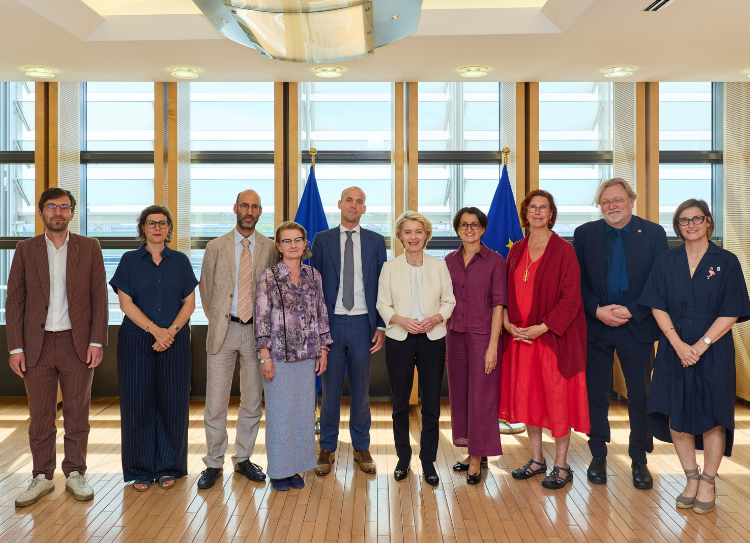
Green10 meeting with European Commission President von der Leyen
The Green 10, representing 50 million Europeans across all EU member states and candidate countries, met with European Commission President Ursula von der Leyen today.
Policy briefing: Strengthening EU action for health and climate resilience
The health burden from climate change in Europe keeps growing, with heat as a leading threat, claiming over 47,000 lives in 2023 alone. This briefing makes the case that health resilience by design should be integrated into ongoing adaptation efforts and provides recommendations to strengthen health protection, especially for vulnerable groups.
Policy briefing: Reducing the cardiovascular disease burden through environmental prevention
Given the importance of environmental prevention of cardiovascular disease, HEAL recommends in a new policy briefing that the EU’s future actions strengthen measures to reduce air and chemical pollution at source. This includes ending public financing for fossil fuel burning as a key pollution source, as well as providing dedicated financing for pollution prevention and control in the next EU budget. Prevention efforts should also consider the synergies of pollution and climate change.

Infographic: Invest in better health
HEAL's new infographic on the next EU budget highlights science-based recommendations on investing in pollution prevention for better health.
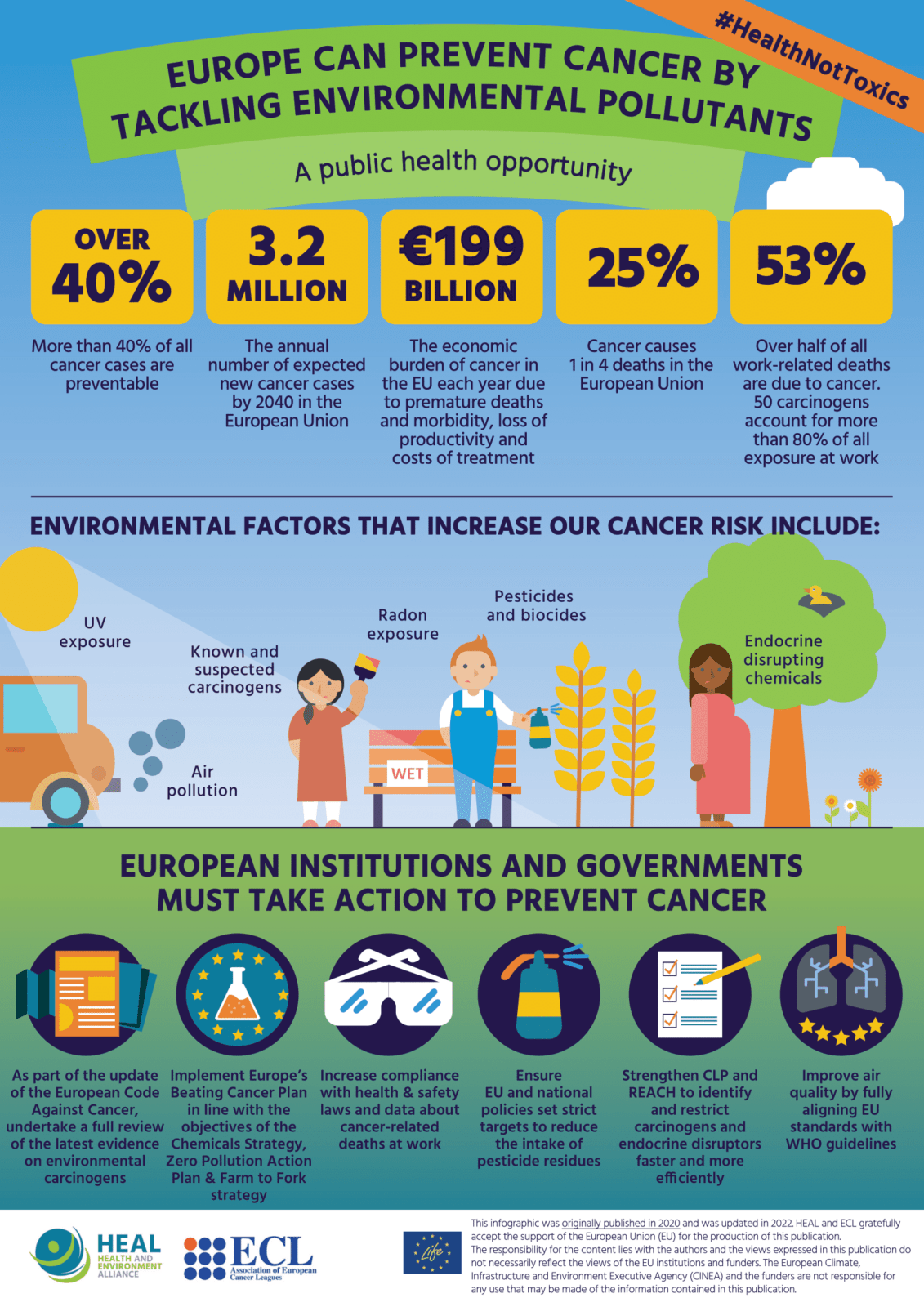
HEAL and European Cancer Leagues relaunch infographic illustrating how Europe can prevent cancer by tackling environmental pollutants
To mark the start of the European Week Against Cancer 2022, the Health and Environment Alliance (HEAL) and the European Cancer Leagues (ECL) have teamed up to relaunch an infographic telling the story behind environmental cancer prevention.

How does early-life exposure to environmental pollutants affect our health? New flyer and video from the ATHLETE project
Have you ever wondered whether and how our everyday environment and activities affect our health? The ATHLETE project is designed to answer these questions by studying the Human Exposome – the totality of environmental exposures from conception to adulthood. Today we are excited to launch a new flyer and video to present the key activities of our research project.
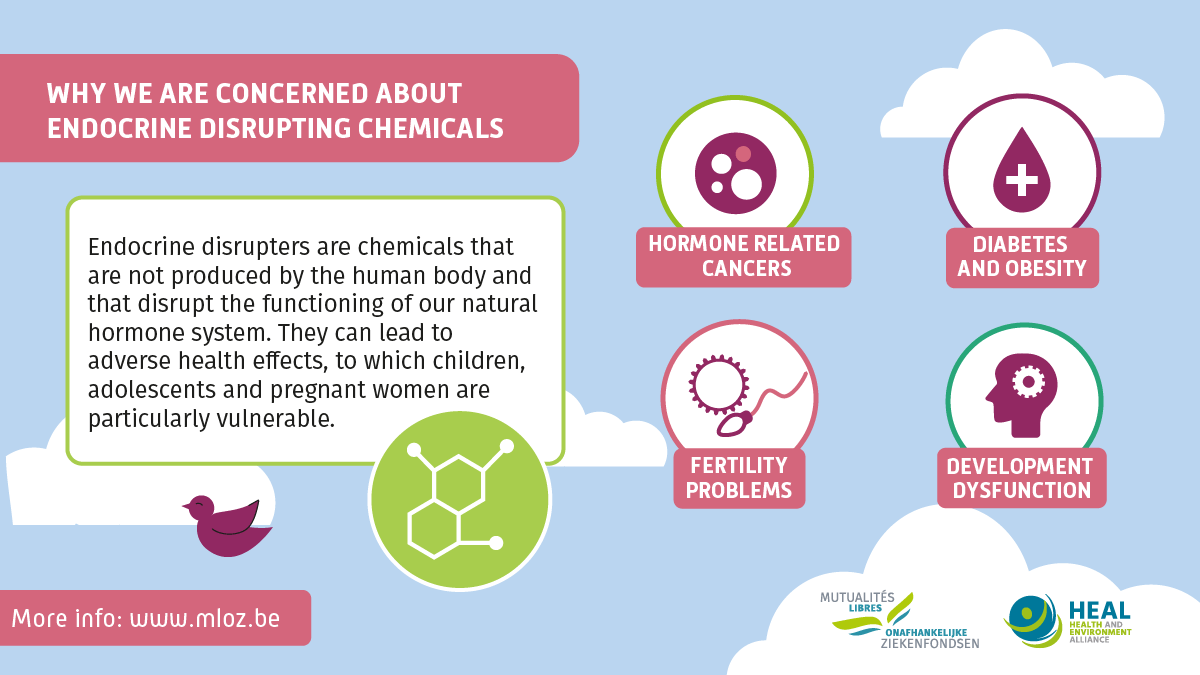
Mutualités Libres and HEAL launch infographic illustrating 10 tips to avoid endocrine disruptors in and around your home
Results from a new survey published by the Belgian Independent Health Insurance Funds (Mutualités Libres…
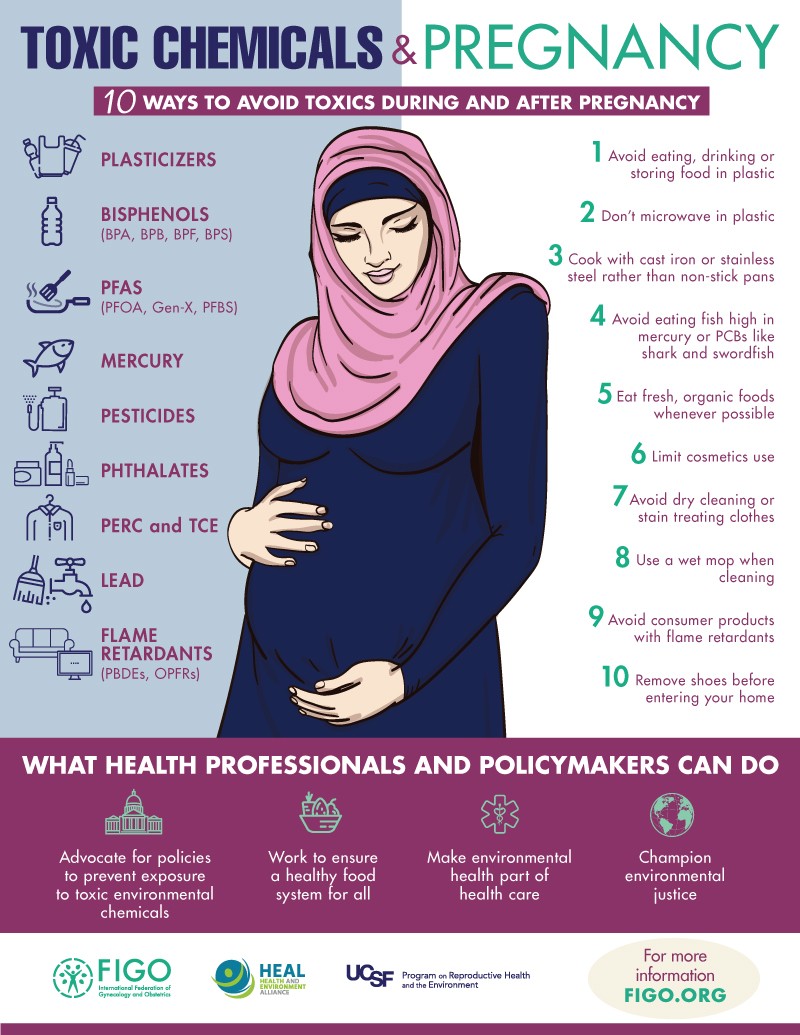
FIGO, UCSF and HEAL share 10 tips to avoid toxic chemicals during and after pregnancy
The Federation of Gynecology and Obstetrics (FIGO), the University of California – San Francisco (UCSF) and the Health and Environment Alliance (HEAL) have launched easy-to-use infographics for obstetricians, gynecologists and health groups to create awareness around toxic chemicals and pregnancy in a one-week social media campaign.
HEAL annual report 2024-2025 now available
Read HEAL's annual report to learn more about HEAL, our strategic goals, and our impact in addressing air quality, climate change, chemicals, and pesticides.

Non-Communicable Diseases and Environmental Determinants
This briefing paper aims to provide latest knowledge on Non Communicable Diseases from some of the leading experts and organisations from four perspectives: women’s organisations, health sector, developing countries and trade unions.
Unpaid Health Bill – how coal power plants make us sick
In March 2013, HEAL launched the first ‘Unpaid Health Bill – How coal power plants…

Breast Cancer and exposure to hormonally active chemicals: An appraisal of the scientific evidence
The report provides a review of the scientific evidence that certain chemicals may be implicated in breast cancer, and focuses on the role of hormone disrupting chemicals.
Health considerations missing in European Commission work programme 2027, writes HEAL to MEPs
HEAL considers that a focus on reducing administrative cost and burden to businesses is a shortsighted and narrow perspective, disregarding the significant costs to people's health and the need for strengthened resilience of the natural environment in view of pollution, climate change and biodiversity loss.
A health reset for health protection from environment and climate threats
In a letter ahead of the publication of the European Commission work programme 2027, HEAL has sent a letter to President von der Leyen, to call on resetting this Commission for preventing disease and health cost in next year’s work programme, by withdrawing the Food and Feed Safety Omnibus proposal and refraining from proposing any further environmental and climate simplification proposals.
EU budget performance: Increased transparency and accountability for people’s health
HEAL has sent a letter to members of the EP BUDG and CONT committees highlighting that it is crucial that the next EU budget provides the necessary investments for preventing disease and ill-health, and ensures adequate transparency and oversight on the tracking of this spending.
Cities and regions need climate and environment investments for people’s health
HEAL calls on EP ENVI and CoR ENVE to place particular emphasis on increasing public investments for disease prevention, health resilience to climate change, and pollution prevention in the next EU budget, for people's health in cities and regions.
European Council budget discussion: HEAL letter on climate resilience and pollution prevention
Ahead of EU heads of states and governments discussing next Multiannual Financial Framework (MFF) 2028-34 on 15-16 October 2026, HEAL has sent a letter calling to place particular emphasis on increasing public investments for disease prevention, health resilience to climate change and pollution prevention in the next EU budget.
Higher EU investments in climate resilience and pollution prevention crucial for health
HEAL has sent a letter to members of the European Parliament, ahead of their discussion on An ambitious Multiannual Financial Framework (MFF) 2028 - 2034 for a strong and resilient Europe, calling on decision makers to increase investments in climate resilience and pollution prevention for health.